A Busy Clinic Is Not Always an Efficient Clinic
Phones are ringing. Appointments are moving. Staff are multitasking. From the outside, everything looks smooth. But busyness is not the same as efficiency — and that difference costs clinics every single day.
TL;DR
A clinic can be busy all day and still be inefficient: ringing phones and moving appointments hide missed follow-ups, documentation backlogs and information scattered across separate systems. The real problem is lack of coordination, not lack of effort — and bringing clinical, administrative, financial and statistical data into one system is what turns a busy clinic into a well-functioning one.
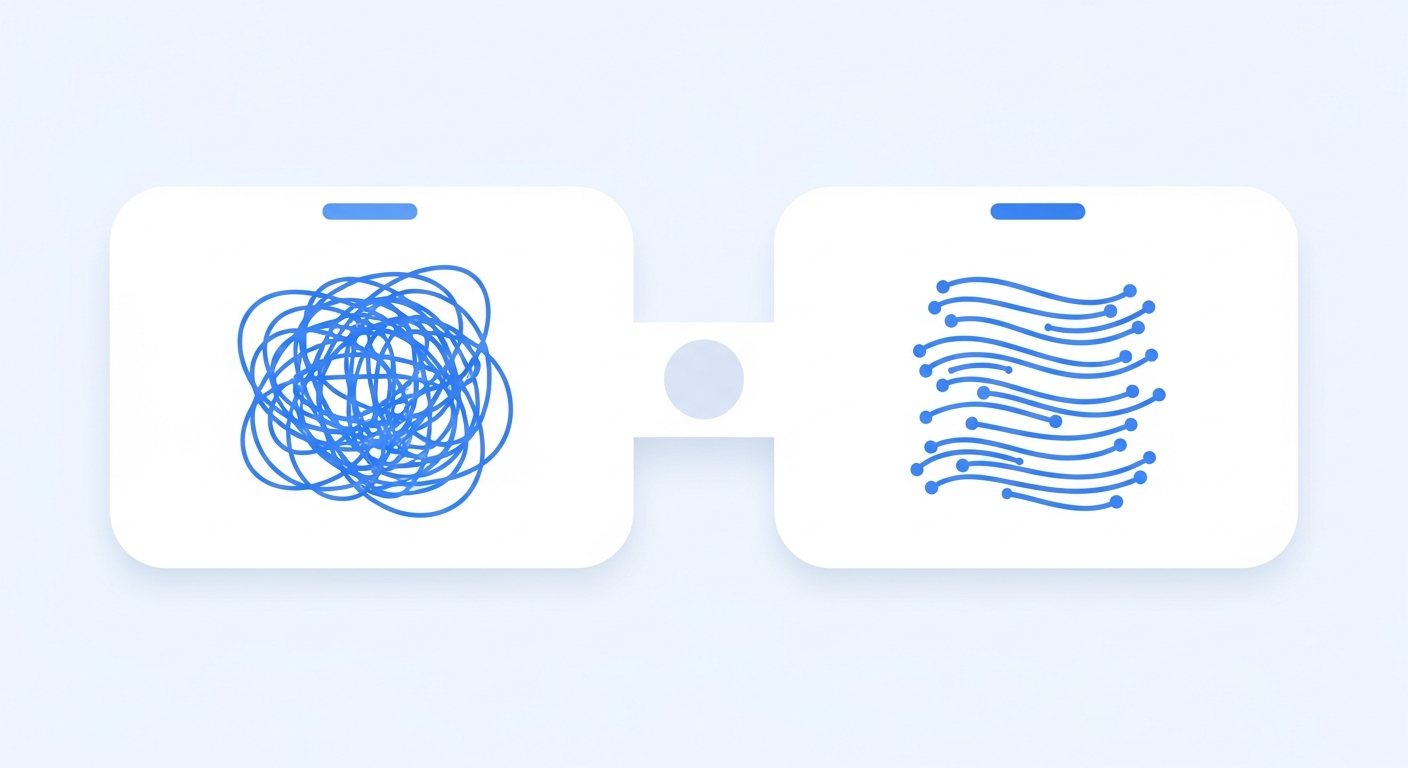
A busy clinic is not always an efficient clinic.
Some clinics look productive on the surface:
- Phones are ringing
- Appointments are moving
- Messages are coming in
- Staff are constantly multitasking
From the outside, everything looks smooth. But busyness is not the same as efficiency.
Because a clinic can stay active all day and still struggle with:
- Missed follow-ups
- Delayed patient communication
- Documentation backlogs
- Provider overload
- Information scattered across separate systems
The problem isn't lack of effort. The problem is lack of coordination.
What we experienced ourselves
We lived this firsthand at Privatklinik Kreuzlingen.
Phones were answered. Appointments were moving. Staff were working hard. And yet information was scattered across four separate systems — clinical, administrative, financial, statistical.
Nobody had the complete picture. Coordinating patient flow meant piecing together fragments from different tools, different people, different moments in time.
The bottlenecks weren't visible on the surface. That was exactly the problem.
Each system worked fine on its own. Together, they told no coherent story. And without a coherent story, the team could only react — never truly plan ahead.
What changed
When we integrated all four layers into a single platform with Viali, something shifted — not just in speed, but in clarity.
Every person involved in a patient's journey — from entry to discharge — could see the same information, in the right context, at the right time.
The anesthesiologist saw what the surgeon had planned. Nursing saw which materials had been ordered. Management saw what each procedure actually cost. The marketing team understood which channels brought patients who actually converted into surgeries.
That's not just efficiency. That's coordination.
And coordination is what turns a busy clinic into a well-functioning one.
The takeaway
The difference isn't always more staff or more tools.
Sometimes it's less fragmentation.
When clinical, administrative, financial and statistical data flow into a single system, the team stops reacting and starts coordinating. Patients move through the clinic in a way that makes sense to everyone involved — from entry to discharge.
That's the difference we experienced. And that's why we built Viali.
Frequently asked questions
What is the difference between a busy clinic and an efficient one?
A busy clinic looks productive — phones ringing, appointments moving — but can still miss follow-ups and carry documentation backlogs. An efficient clinic is coordinated, so effort actually translates into smooth patient flow.
Why isn't hard work enough?
The problem is usually lack of coordination, not lack of effort. When information is scattered across separate systems, staff can only react instead of planning ahead.
What did Privatklinik Kreuzlingen experience?
Staff worked hard but information sat in four separate systems — clinical, administrative, financial and statistical — so nobody had the complete picture and bottlenecks stayed invisible.
What changed after integrating into one platform?
Everyone in the patient's journey could see the same information in the right context — the anesthesiologist saw the surgeon's plan, nursing saw ordered materials, management saw real costs, and marketing saw which channels converted.
Is the fix more staff or more tools?
Often neither — it's less fragmentation. When clinical, administrative, financial and statistical data flow into a single system, the team stops reacting and starts coordinating.
Related articles
Practice Management
6 Essential Questions to Ask Before Choosing Software for Your Aesthetic Practice
The software you choose shapes both clinical precision and business growth. Six questions that separate platforms that truly work from ones that just look good in a demo.
Case Study
From Disconnected Tools to One Integrated Clinic — Privatklinik Kreuzlingen
Step by step: how we replaced a WIX website, isolated booking system, Excel OR schedule, paper anaesthesia documentation and blind ad spend with one fully integrated platform — complete with digital appointments, real-time intraoperative documentation, automatic inventory deduction and full funnel attribution down to the paid surgery.
Product · Staffing
Introducing Viali FLEX: staffing without the double paperwork
Viali FLEX connects clinics, staffing agencies and external healthcare workers — one talent pool, one worker record, countersigned hours and no duplicate paperwork.
Explore more
Invoice
TARDOC, Ambulante Pauschalen and QR-bill — Swiss outpatient invoicing.
Pricing
One flat price per clinic per month, logins included — from CHF 99.
Product
The whole Viali platform at a glance.
Consulting
Process digitalisation for clinics and practices — analysis, concept and implementation.
Ready to experience this yourself?
Book a demo and see how Viali transforms your clinic operations.